

Strategic Conference header.png

STRATEGIC CONFERENCES

FROM ENERGY REPLACEMENT, TO ENERGY ADDITION.

INDIA’S DOMINANT ENERGY PARADIGM IS CHANGING.

The direction of India’s energy transformation is shifting far beyond supply security, diversification and capacity expansion. The rapid scale of demand-side growth, and the increasing technical and operational complexities of power distribution and management, are moving the national strategic focus towards a new objective - building a resilient future of integrated, interdependent energy ecosystems. By connecting and digitally enabling capital, supply and procurement, technology and infrastructure, and demand-side management, the fundamentals of how India’s energy will be produced, stored, delivered and consumed are being revolutionised.

Central and State governments and industry investors are seeking long-term cost stability and reduced import dependencies. Multi-vector PSU and international energy companies are fast-emerging as key system integrators. While technology and digitalisation partners are positioning themselves to enable the operational unification and management of previously siloed value chains. By seamlessly coupling diverse fuel options with electricity and gas transmission networks, heating and cooling infrastructure, storage and power conversion technologies, CCUS, and digital optimisation tools, India can build advanced future ecosystems capable of integrating secure, lower carbon energy with intelligent infrastructure, capital and consumption.

The Future Energy India Strategic Conference will for the first time bring together those leaders from across the political, financial and commercial energy spectrum to collaborate as the engines of innovation and growth for delivering India’s connected and resilient new energy ecosystems.

STRATEGIC CONFERENCE THEMES THAT WILL BE ADDRESSED:

shutterstock_2757820249 (2).png

India’s Connected Future Energy Blueprint

Creating Multi-Sectoral Policy and Investment Frameworks

The development of deeply integrated ecosystems is the emerging paradigm for India’s future energy roadmap. To deliver the advanced, interdependent energy networks necessary to underpin expansive green modernisation and economic growth, a comprehensive new approach to governance, multi-sector coordination and strategic investment will be required, aligning central and state governments, regulatory commissions, utilities and private finance.


CCUS_shutterstock_2292848819.png

Energy Addition and Inter-Fuel Optionality

Combining Energy Security, Procurement Flexibility and Transition through Diversification

India’s expanding energy demand landscape requires a strategy of addition, not replacement. Its energy ecosystems are rapidly moving beyond single fuel sources and siloed supply chains, reducing their exposure to volatile market dynamics. By incorporating low carbon energy sources, including LNG and Natural Gas, renewables, hydrogen, nuclear and biomass, alongside system stablising oil, coal and LPG supplies, India’s growing energy demand can be met, complex energy flow requirements can be optimised and a high penetration of renewables can be achieved.

231-315x300.jpg

Integrated Multi-Energy Partners

The Evolving Roles of India’s Leading Energy Companies

As India’s PSUs and leading energy operators adapt to delivering a complex future of decarbonised, digitalised and decentralised power, they are fast expanding into the roles of end-to-end system integrators. By offering unified execution models, from multi-vector energy financing and production, through infrastructure asset management,  transportation, conversion, storage and distribution, energy companies are evolving as engines of growth, reshaping India’s low carbon transformation and energy independence.

E-Mobility and Charging Infrastructure_shutterstock_2758354785.png

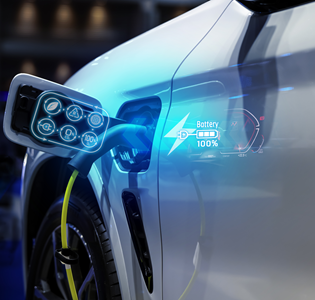
Sector Coupling and Integrated Energy Infrastructure

Harnessing Transition Synergies and Advanced Technologies across India’s Future Energy System

Managing complex and interconnected energy flow, and facilitating exchange between key demand sectors, such as electricity, heating and cooling, transport and industry, will require advanced networks integration and a holistic cross-sector approach to planning, investment and bundled services. From smart multi-fuel transmission, through to Power-to-X conversion and energy storage, coordinated infrastructure rollout and the application of advanced technologies will form the essential nervous system of India’s connected future energy ecosystems.

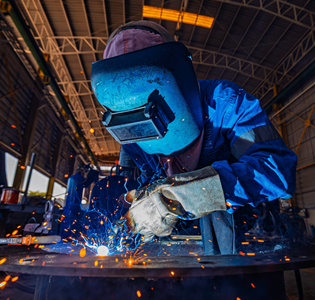
Hard Abate and Industrial Processes_shutterstock_2688085119.png

Intelligent Demand-Side Energy Management

Delivering Stable Low Carbon Supply and Efficiencies across Multi-Sector Demand Centres

India’s energy transformation focus is shifting from drivingsupply- side growth to managing demand-side efficiencies and consumption patterns. Commercial consumers and industrial end users, including the fast-expanding data centre and high-end manufacturing sectors, are seeking increased sustainability compliance, cost optimisation and long-term procurement stability.  Deploying strategic and technical tools to proactively shape electricity demand to match supply-side realities is emerging as a key strategic pillar in the next phase of India’s integrated, low carbon energy future.

Member of